Hello world!
Welcome to WordPress. This is your first post. Edit or delete it, then start writing!
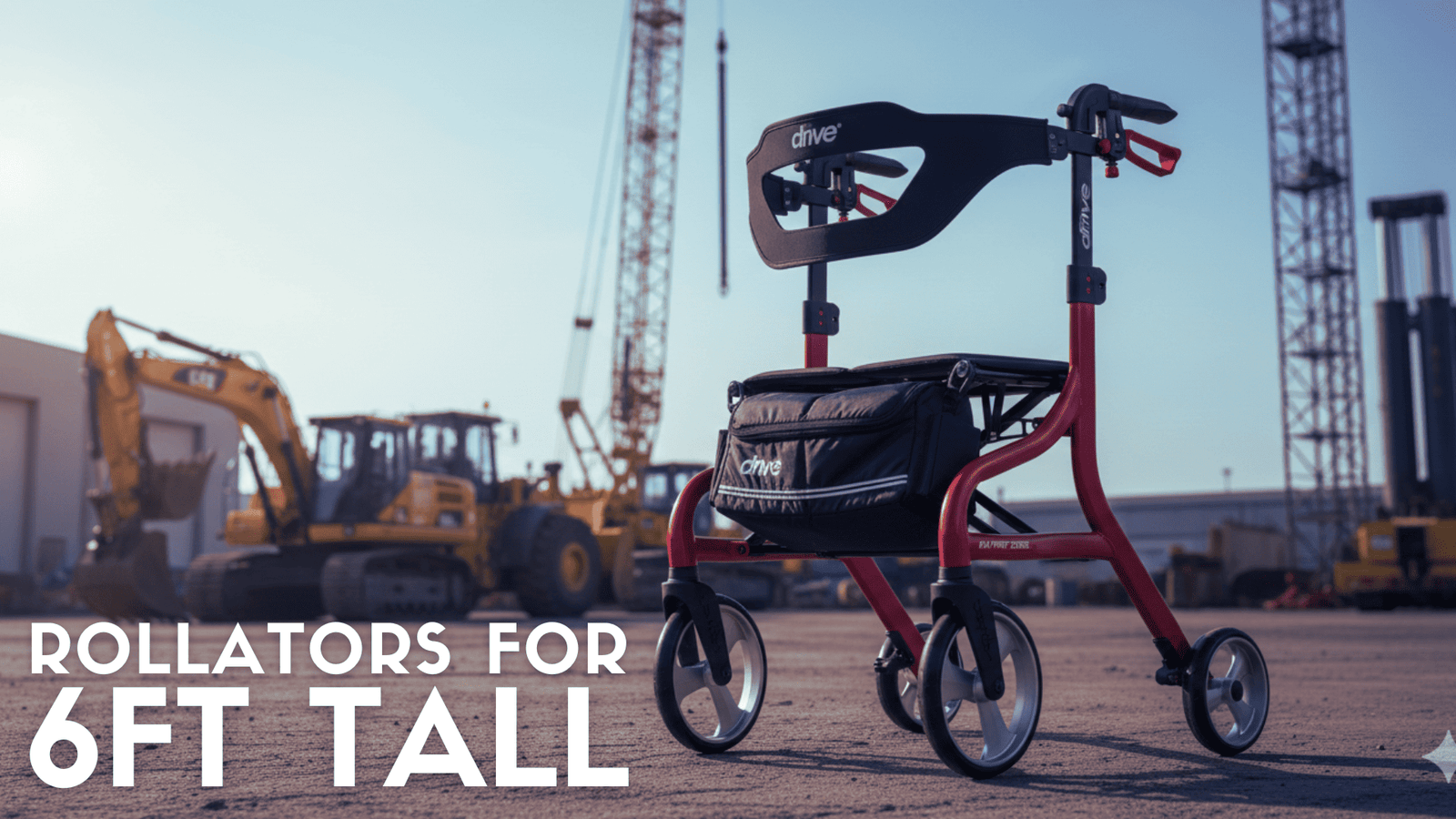
Introduction Most rollators are designed for average height users (5’2”–6’0”). But for taller individuals (6’2”–6’8”+), standard models can feel uncomfortable—forcing poor posture, stooping, and shoulder strain. That’s why manufacturers now produce rollators with long handle options, extended height adjustments, and ergonomic grips for taller adults. These models restore proper alignment and make walking safer, more … Read more
Introduction Not all disabilities are visible. Conditions like fibromyalgia, chronic fatigue syndrome (ME/CFS), POTS, and chronic pain disorders often leave people with fluctuating energy and mobility. Unlike permanent mobility loss, these conditions may only require a rollator some days or in certain situations—such as walking longer distances, reducing fatigue, or preventing sudden collapses. For users … Read more
Introduction One of the most common complaints about rollators is noise—the squeaks, rattles, and clicks that can make daily use frustrating. For people living in quiet communities, nursing homes, or shared apartments, these sounds aren’t just annoying—they can be embarrassing. The solution lies in quiet rollators designed with noise-reducing parts, plus simple maintenance and accessories … Read more
Introduction For mobility aid users who spend significant time seated or need renal support, a standard rollator can feel restrictive. Comfort-focused rollators with extra-wide seats (19–22″) offer additional stability and space, ideal for long outings, comfort-conscious users, or those requiring frequent sit-downs. These rollators combine ergonomic design with practical features—making them both supportive and stylish. … Read more
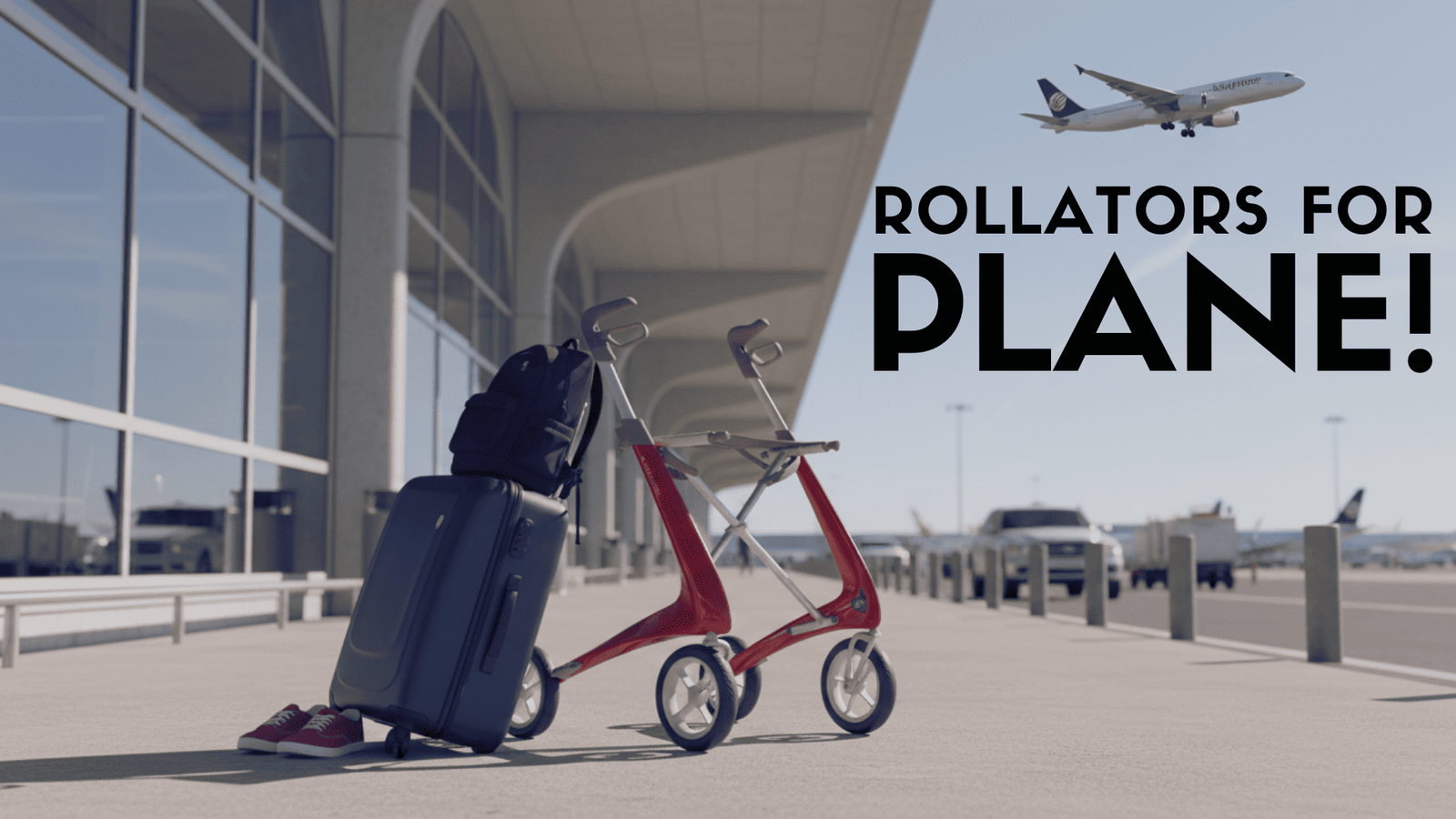
Introduction Flying can be stressful enough without worrying about mobility aids. The good news? Compact carry-on rollators are specifically designed for air travel—lightweight, foldable, and airline-approved. These rollators fold small enough for gate-checking, and in some cases, cabin storage. For frequent flyers, they eliminate the hassle of oversized equipment while keeping independence intact during travel. … Read more
Introduction Some days, walking with support is enough. Other days, sitting and being pushed is essential. That’s why hybrid rollator–wheelchairs, also called transport rollators or 2-in-1 mobility combos, are becoming so popular. These versatile devices can be used as standard rollators for walking, then quickly converted into lightweight transport chairs when the user needs a … Read more
Introduction Traditional rollators are fine for smooth indoor floors, but what about gravel driveways, cracked sidewalks, or dimly lit evening strolls? That’s where all-terrain rollators with night safety lights step in. Built with large wheels and reinforced frames, these rollators handle uneven ground while integrated lights improve visibility and safety at night. For frequent walkers … Read more
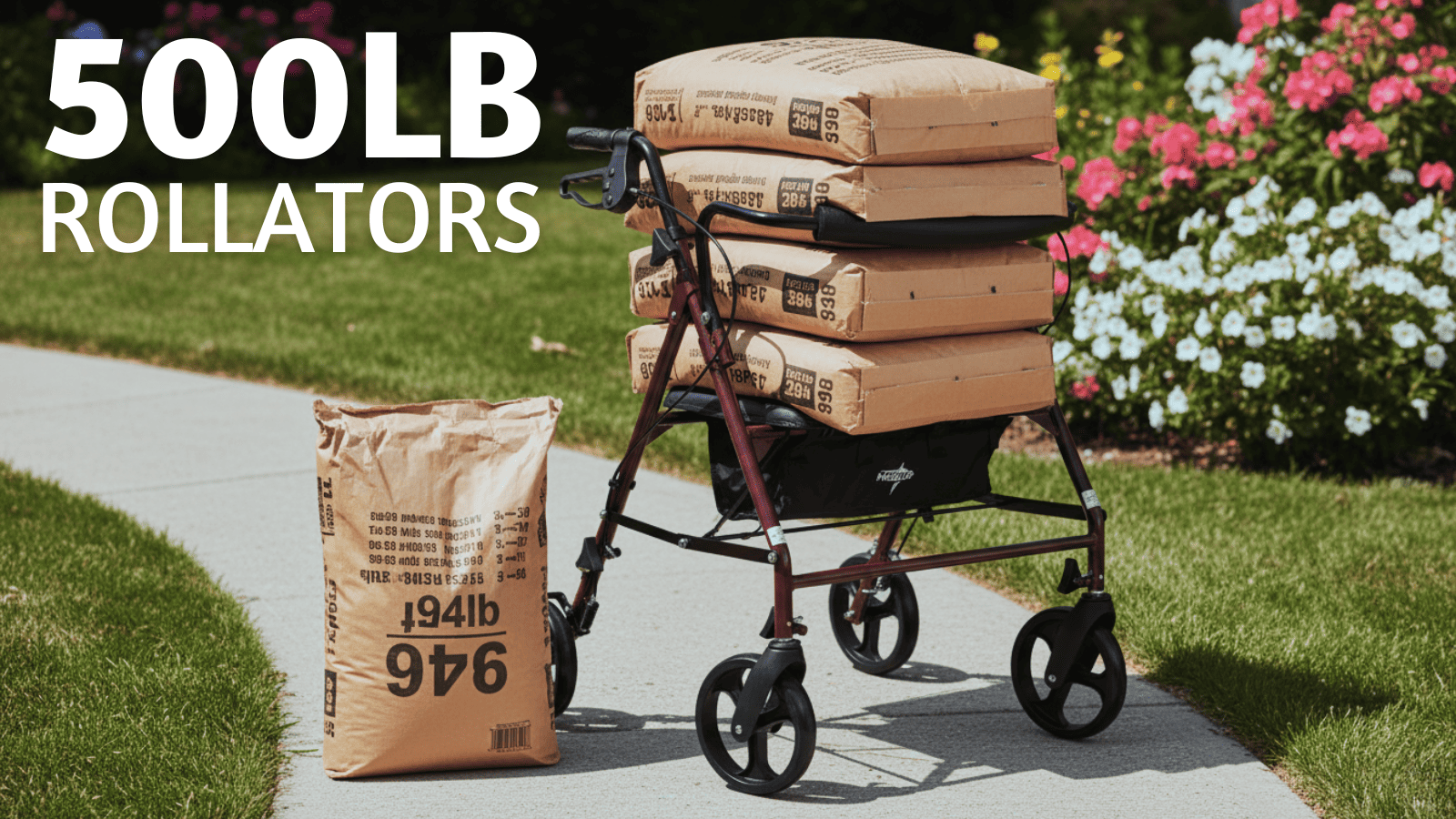
Introduction Standard rollators work for most, but they often fall short for users who need extra support. For those with higher weight requirements, wider frames, and more stability, heavy-duty rollators designed for bariatric use are the solution. These devices combine durable engineering with comfort features that restore independence without compromising safety. In this guide, we’ll … Read more
Why ultra-light matters on the move If you fly often or lift your rollator in and out of cars, every pound counts. Ultra-light frames (often carbon fiber or high-grade aluminum) reduce strain, fold smaller, and make curb cuts, stairs, and tight hotel elevators less of a hassle. For air travel, assistive devices don’t count toward … Read more